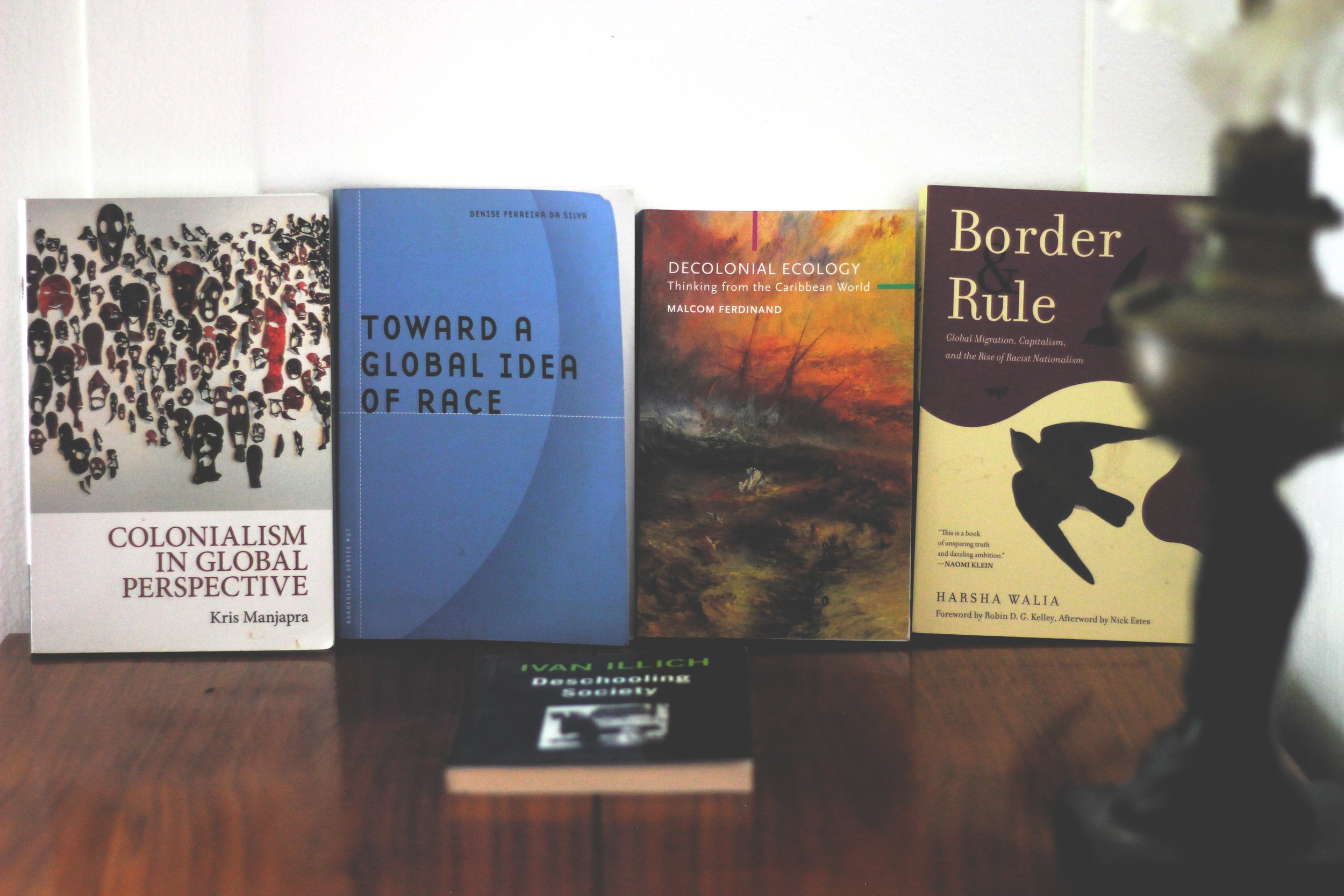
Against
Global Apartheid
& Planetary Ecocide
AREA Studies Seminar & Studio
(Art, Research, Education, Activism)
The Scenario
For more than six millennia, the virus of patriarchal imperialism and its attendant maladies (war, conquest, enslavement, degradation, pollution) have been a greater or lesser scourge on our planet and her peoples.
Six centuries ago, however, new and more virulent strains of the virus emerged, turbocharged by racist and capitalist techniques and technologies of power, and these new strains of patriarchal imperialism, aggravated by the unspeakable brutalities of capitalist war and racializing rule, have plunged our planet and her peoples into a social and ecological death spiral from which there may be no recovery.
Indeed, by all reliable accounts, we are fast approaching the terminal stages of this death spiral, the endgame of patriarchal imperialism and racial capitalism…
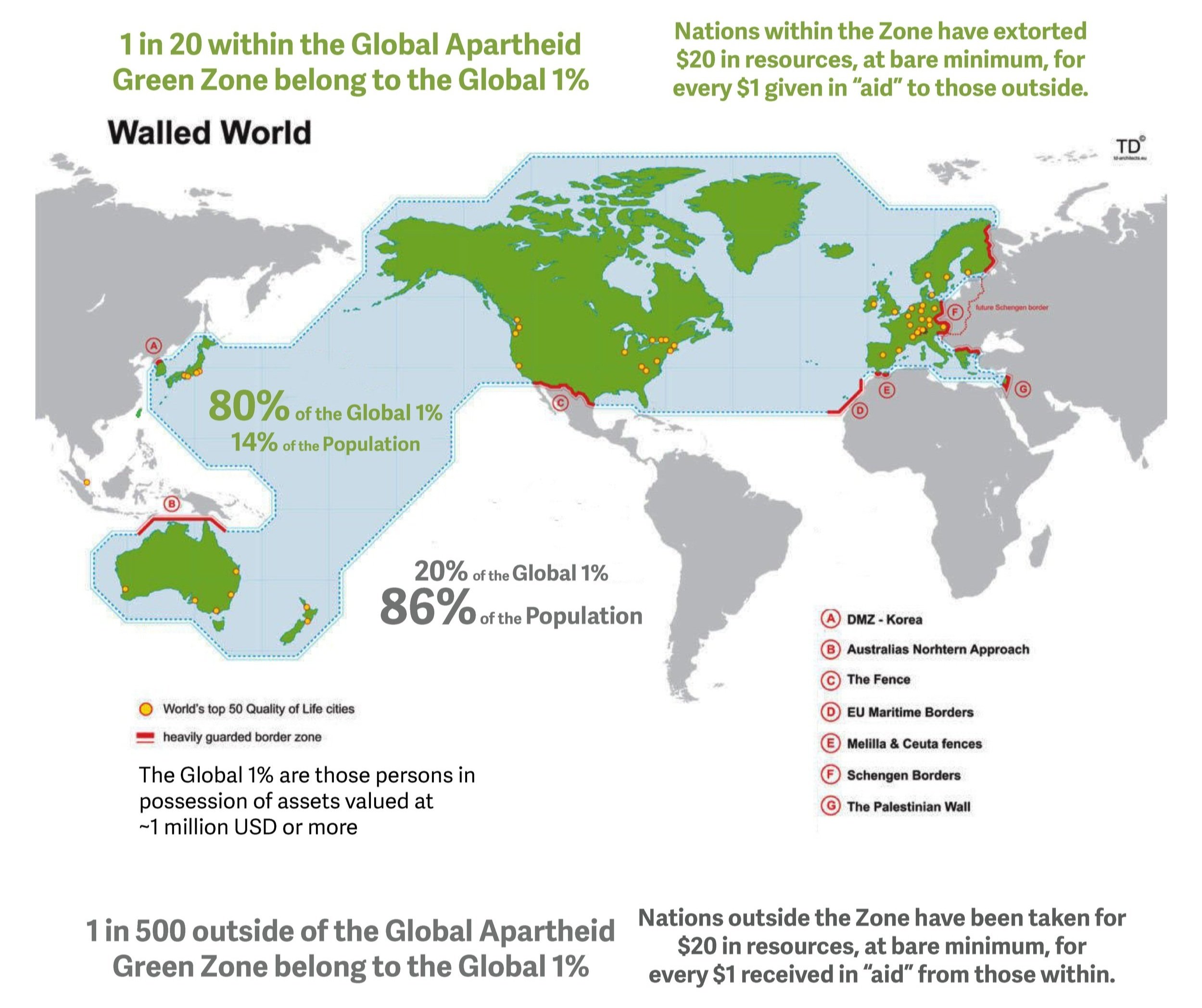
Ours is the Age of Global Apartheid and Planetary Ecocide.
It is an age marked by a dire deepening of the deathly double fracture that is the defining product of patriarchal imperialism and racial capitalism: one fracture dividing the world between the "superior races" who dominate and devastate and the "inferior races" of the dominated and devastated; the other fracture dividing the world between the "civilized" realms where human culture prevails and the "environment" where a nature, raw and untapped, clings to existence.
"Global Apartheid" names the regimes of murder by commission and omission that maintain and advance the powers and privileges of the "superior races" and the "talented tenths"—the latter being those "exceptional specimens" of the "inferior races" who desperately vie to emulate and rival their "superiors" by violently distinguishing themselves from the "ordinary specimens" of their kind.
"Planetary Ecocide" names the "managed depletion" of the "environment" in the service of the pleasures and profits of the masters of the civilized realms of human culture—these masters being bent on maximizing the powers and privileges that they enjoy at the top of the above mentioned racial hierarchies.
The powerful and privileged masters of the realms of human culture willfully persist and violently insist upon promoting a climate of ignorance so that few become wise to the endgame and properly identify the horrors of Global Apartheid and Planetary Ecocide. If we are to counter this climate of ignorance and put a stop to the present social and ecological death spiral, it is imperative that we who are wise to the horrors of Global Apartheid and Planetary Ecocide assemble and organize ourselves to share resources and collaborate towards the following ends:
Recognizing the devastating realities of patriarchal imperialism and racial capitalism;
Recollecting that which has been devastated by the advances of patriarchal imperialism and racial capitalism;
Resisting further advances of patriarchal imperialism and racial capitalism; and
Repairing that which has been devastated by the advances of patriarchal imperialism and racial capitalism.
The Journey So Far
The first iteration of the Against Global Apartheid and Planetary Ecocide research group (AGAPE 2024) revolved around collectively becoming wise to the horrors of Global Apartheid and Planetary Ecocide: tracing the genealogy of Empire, recognizing the scale of extraction, the architecture of bordering and policing, the persistence of coloniality in the wake of processes of colonization.
The second iteration (AGAPE 2025) examined the means by which Empire represses endeavors to engage in practices of recognition, recollection, resistance, and repair. We studied five modalities of imperial violence:
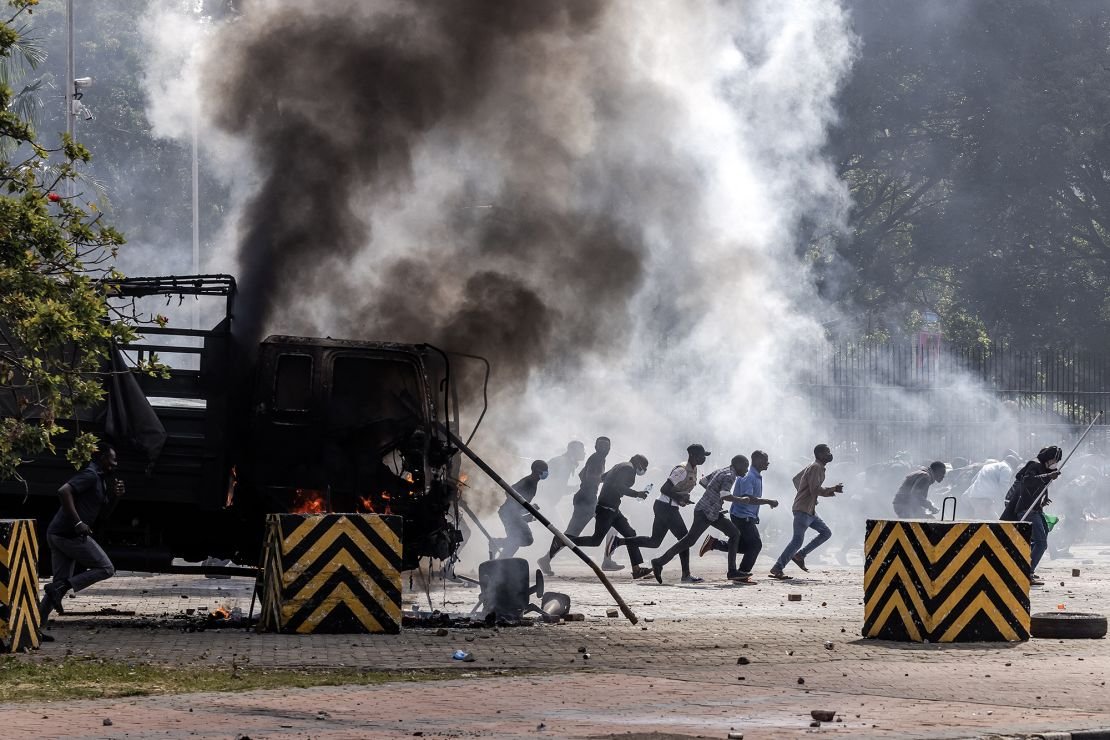
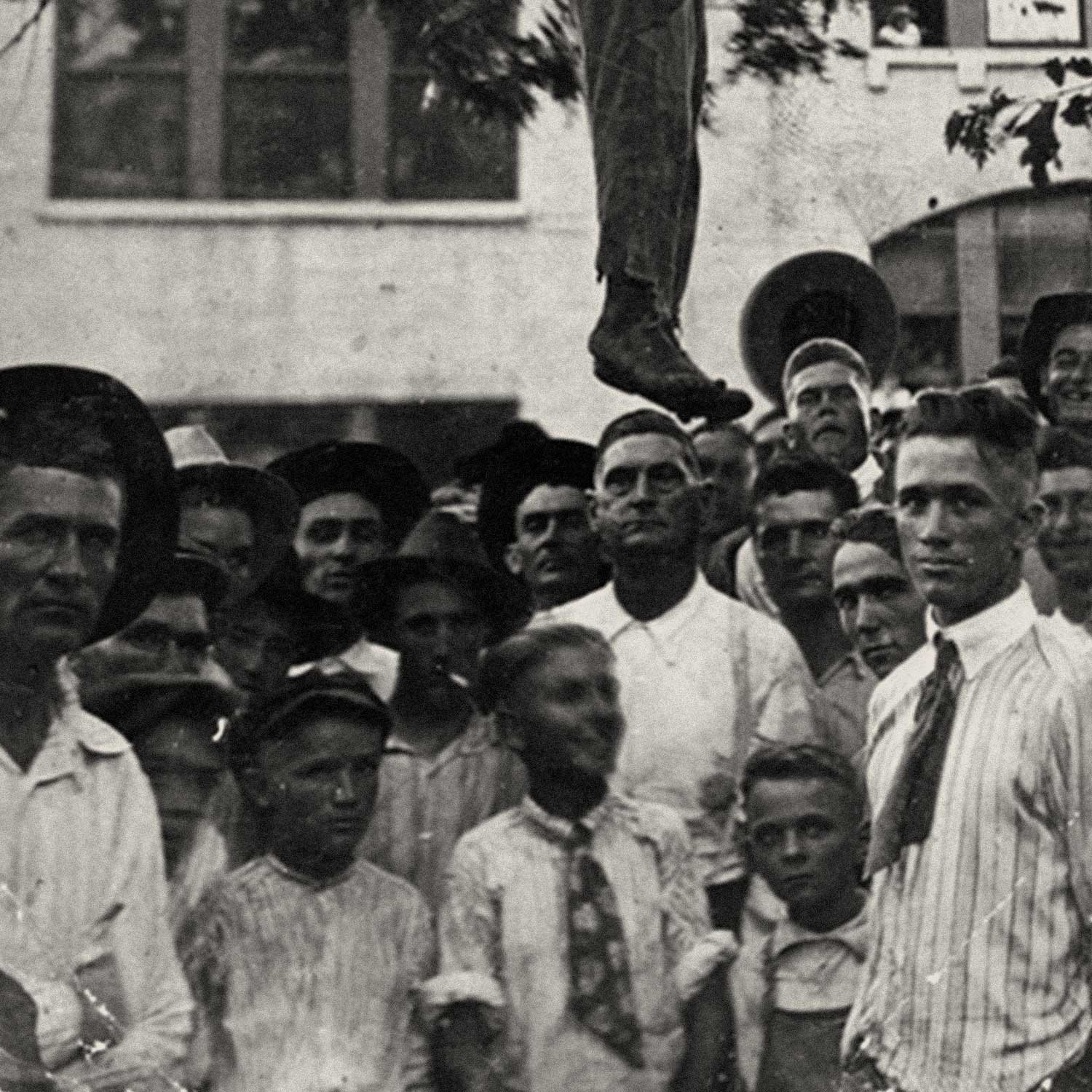
"Guns and bombs" or means of physical violence—deployed to threaten, brutalize, and kill rebels and to flatten sites of rebellion.
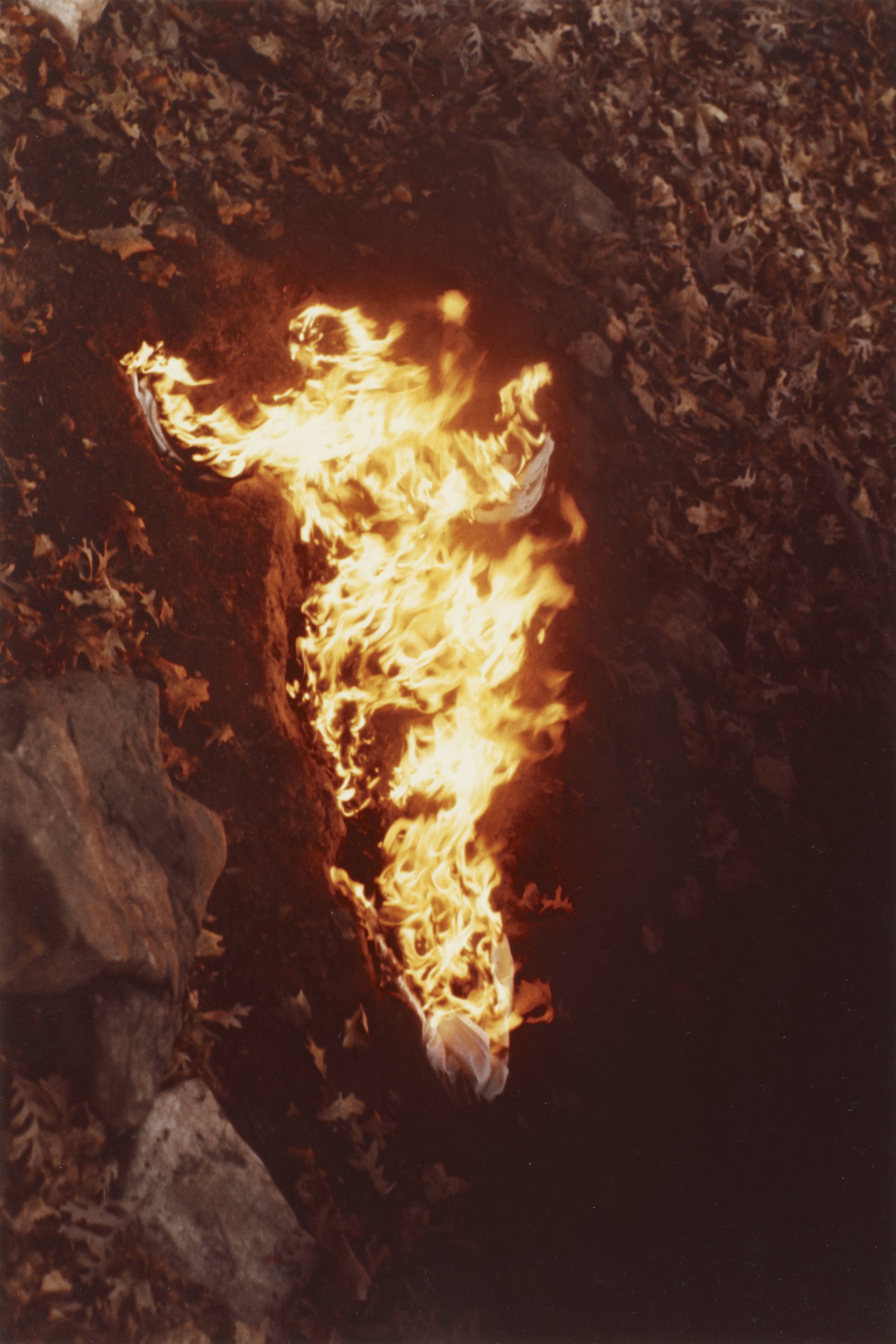
"Smoke and mirrors" or means of cultural violence—deployed to obscure and distort reality and to mystify histories and legacies of rebellion.
"Policies and procedures" or means of institutional violence—deployed to identify potential rebels, administer and surveil their lives, and police their livelihoods.
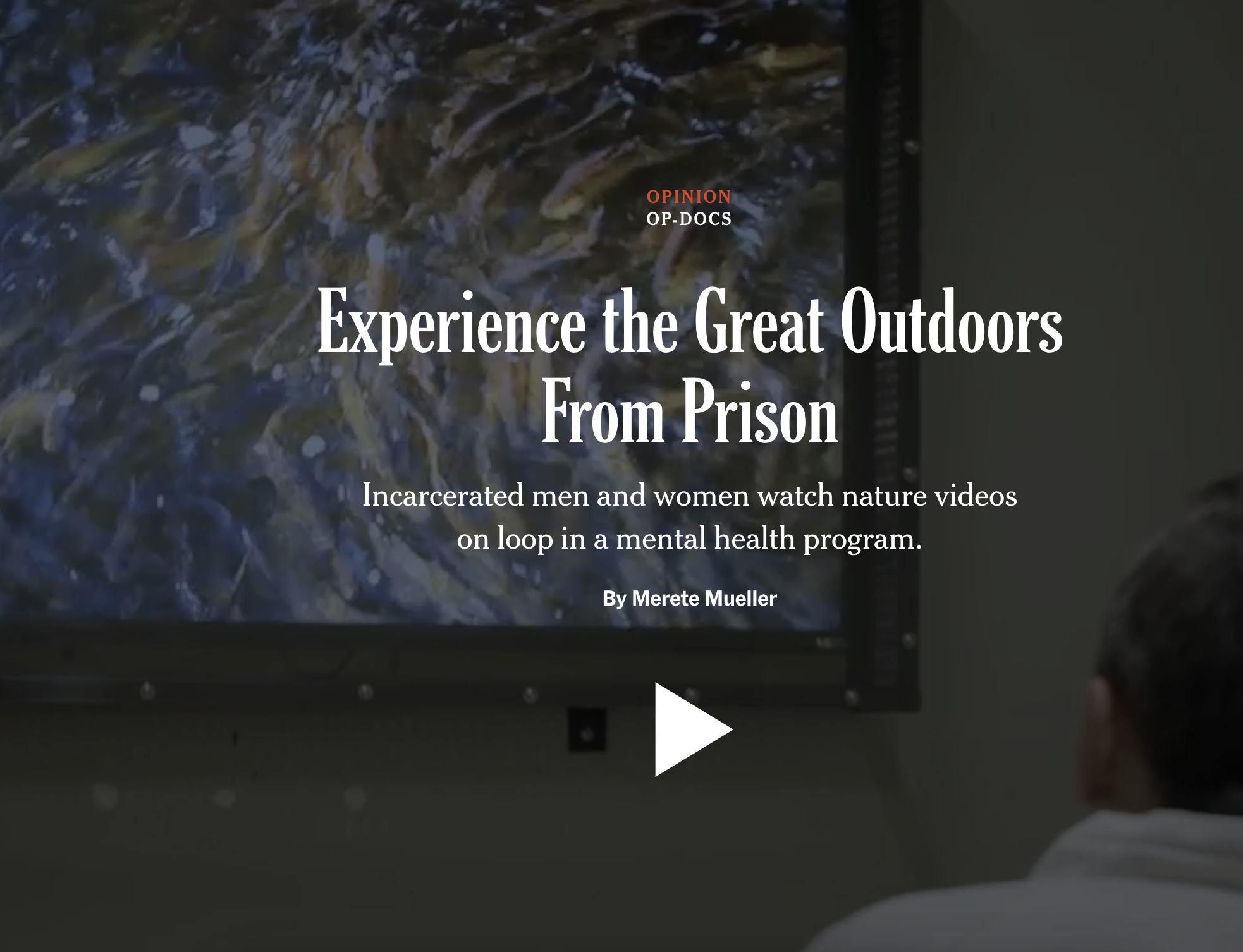
"Prisons and fortresses" or means of carceral violence—deployed by interlocking turns to keep some rebels locked in and others locked out.
"Carrots and sticks" or means of behavioral violence—deployed by interlocking turns to encourage compliance and acquiescence and to discourage rebellion.
But we also discovered something else: each modality of violence invites a trap in which resistance gets captured and becomes subsistence for the imperial machine. Physical violence invites heroism: the spectacular confrontation that makes rebels targetable. Cultural violence invites counter-narrative: seeking validation from the apparatus that distorts. Institutional violence invites appeal: trading the surround for the state. Carceral violence invites moralism: reproducing the guilty/innocent distinction. Behavioral violence invites prescription: turning the break into best practice.
The real danger is not what Empire's violence does to us, but what we become in response: self-defense that narrows into self-possession has already been captured; resistance that seeks recognition from the state has already been absorbed.
The Third Iteration (AGAPE 2026)
Now we turn to the question that has been gathering underneath all along: how do we defend not only ourselves but, more profoundly, our surrounds against imperial violence without our resistance becoming subsistence for the Imperial machine in the process?
This iteration shifts from reading to sharing. We will not gather to process texts but to learn each other's actual conditions for genuine readiness. Sun Tzu names five factors that determine the outcome of any undertaking: the Way, the Weather, the Terrain, the Guides, and the Maneuvers. These concern something prior to strategy and tactics: the conditions under which any undertaking can be sustained at all.
Over five sessions, we will share our answers to the questions these factors pose:
April | Ways. You know the Way when you can tell a compelling story about your undertaking, one that keeps you committed and draws others in. For the self-defense of the surround, the Way is a story of entanglement rather than a hero’s journey: how you came to be bound up in others' survival, how you remain so, how you will continue to be so regardless of what you as an individual choose. We will share the stories that orient us.
June | Weather. The Weather is favorable when there are no feelings you deny because they stand in your Way. Fear, grief, rage, despair: these are weather. Suppressing them does not make them disappear; it makes them operate underground, sabotaging from within. Favorable Weather is not the absence of difficult feelings but their acknowledgment. We will share the feelings we are actually contending with.
August | Terrains. The Terrain is favorable when there are no facts you deny because they stand in your Way. Empire excels at producing false maps, but counter-maps that show what we wish were true are equally fatal. Favorable Terrain means knowing the actual landscape: where networks of care run, where surveillance sees, where policy contradicts itself, where the gaps are. We will share something of the actual terrains we are navigating.
October | Guides. You have trustworthy Guides when the theories informing your undertaking can account for the facts on the ground, the feelings in the air, and the turns of events you imagine possible along the Way. Trustworthy Guides have been tested against reality and not found wanting—not because reality is kind but because the framework is honest. We will share the frameworks actually orienting our practice.
December | Maneuvers. You have practiced your Maneuvers when you have developed skills to handle the turns of events your Guides indicate are possible along the Way. The Maneuvers are a repertoire of practices developed and refined through rehearsal and repetition. When the moment comes, you often do not rise to the occasion; instead, you fall to the level of your training. We will share what we have practiced, are practicing, and have yet to practice.
By the end of this iteration, we will know each other's actual situations: the specific conditions under which each person's practices of recognition, recollection, resistance, and repair can or cannot be sustained. And we will endeavor to connect our situations, practically as well as theoretically.
Three Rites
When we share our Ways, Weather, Terrains, Guides, and Maneuvers, we are taking measures of ourselves and each other. Measurement is never neutral. It can abstract, extract, and expose. It can also ground, protect, and preserve. Three rites will govern how we take and share our measures:
A rite of transparency responds to the demands of technicality. Technical measures travel—across systems, platforms, geographies—and risk detaching from the contexts that produced them. When we share frameworks, tools, or methods, the rite of transparency requires that we preserve their genealogy: where they come from, how they work, what they assume, whom they affect. We make the structure of our measures legible not as universal truth but as contingent tool.
A rite of privacy responds to the demands of materiality. Material measures are embedded, contextual, resistant to scaling, and vulnerable to extraction. When we share situated practices, the rite of privacy limits access and encodes discretion. It sustains forms of knowledge that depend on trust, transmission, and shared constraint. We resist the pressure to convert every measure into universally legible code.
A rite of opacity responds to the demands of performativity. Performativity depends on immediacy; it cannot be captured without being changed. When we share what is improvisational, in-process, or irreducible, the rite of opacity protects against premature interpretation. It is the tactical enactment of what Black study has long called fugitivity: the refusal to bleed into visibility so the grid can learn and update.
These rites will shape what we share and how. Some measures will be made transparent: traced to their sources, opened to examination. Some will be held in privacy: transmitted within the circle, not beyond it. Some will remain opaque: present but not fully articulated, enacted but not explained.
Logistics
AGAPE sessions will take place bi-monthly via Zoom: April, June, August, October, December. Sessions will abide by the principle of intellectual generosity. Participants are encouraged to come as they are, to drop in whenever they can find the time and for however long they can find the time. Participants who can only drop by for fifteen minutes will be just as welcome as those who stay for full sessions.
Because this iteration centers on sharing rather than reading, there are no required texts. What you bring is your own situation: your Way, your Weather, your Terrain, your Guides, your Maneuvers.
I am seeking co-hosts and co-facilitators to help hold each session. Co-hosting is an opportunity to shape the container and contribute to AGAPE's collectivist ethos.
As a co-host or co-facilitator, your responsibilities will include:
Preparing the Session: Join me for a preparatory meeting to discuss the session's theme, craft guiding questions, develop a structure for sharing, and schedule the session date.
Holding the Space: Help facilitate the conversation during the session, ensuring it remains generous and grounded.
Gathering Threads: Collaborate on gathering threads from the session and drafting the session summary, capturing key ideas and reflections to benefit the broader AGAPE community.
I am seeking at least two co-hosts/co-facilitators per session to ensure a diversity of perspectives and shared labor.
If you are interested in serving as a co-host or co-facilitator, please email muindi@thefyrthyr.org with the session(s) you would like to co-host and co-facilitate. In your message, share your interest in the session's theme and how you envision contributing. Your message doesn't need to be formal or exhaustive—just thoughtful.