
(De-/Re-)
Constructing
Worlds
Ethnocide and Ecocide
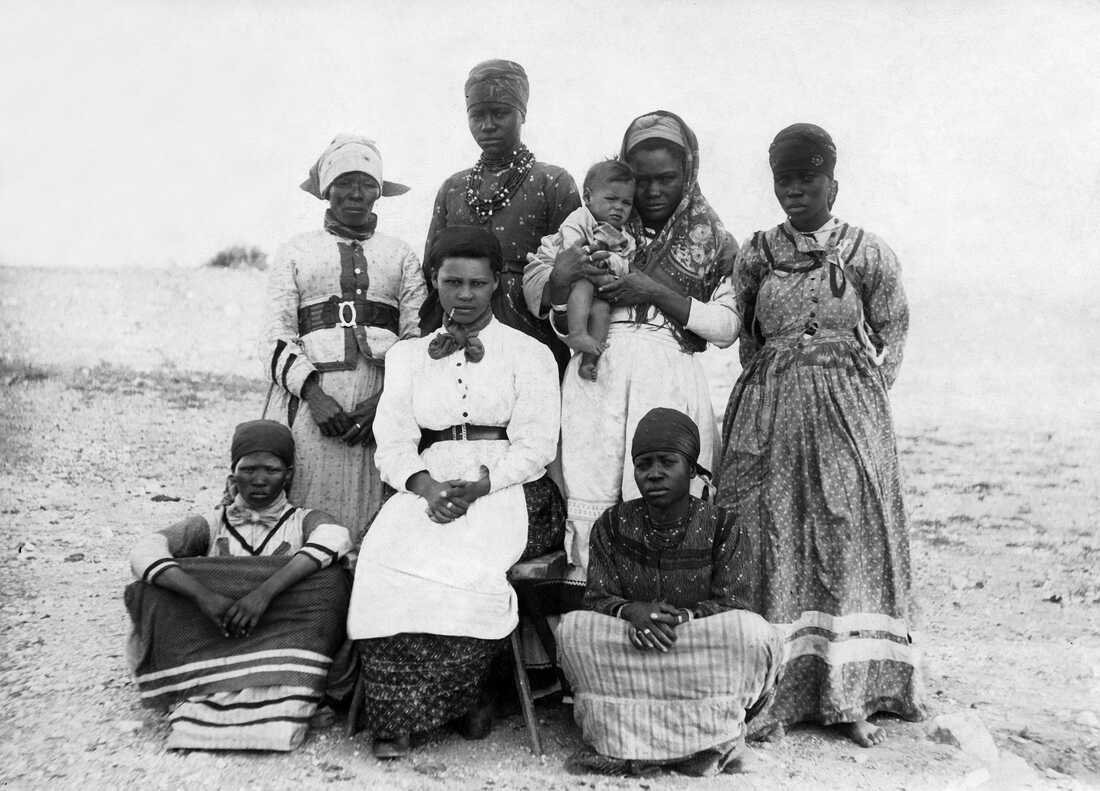
So as not to forget what is at stake in the (De-/Re-)Constructing Worlds project, this dispatch seeks to boldly articulate what it is that concerns me whenever I write any dispatch — halting the advance of ethnocidal and ecocidal power formations.
Entrapment
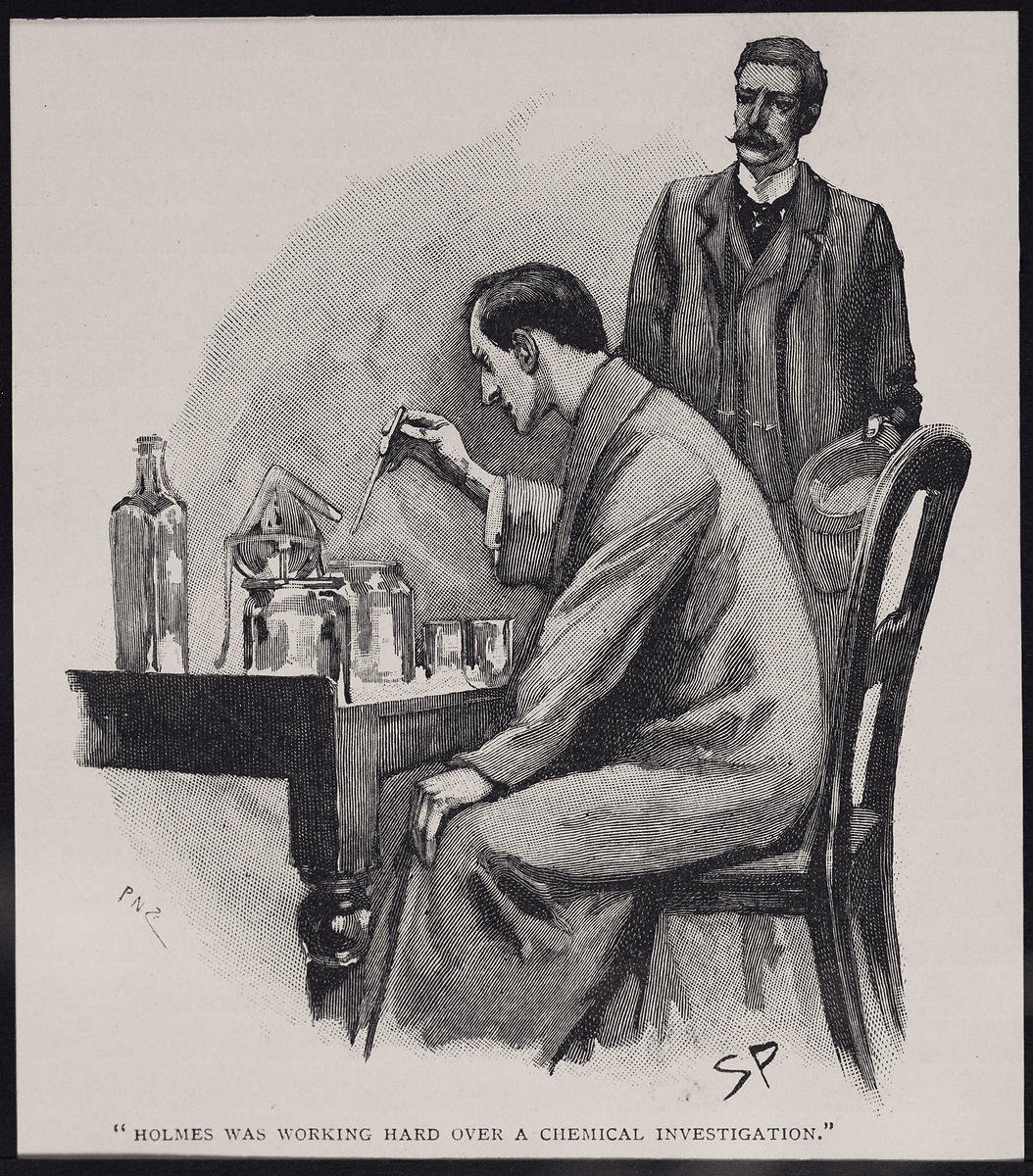
A brief dispatch on the ways in which my readings of detective stories have inspired me to think of statements, implements, and environments as furnishing motives, means, and opportunities.
Convivial Statements
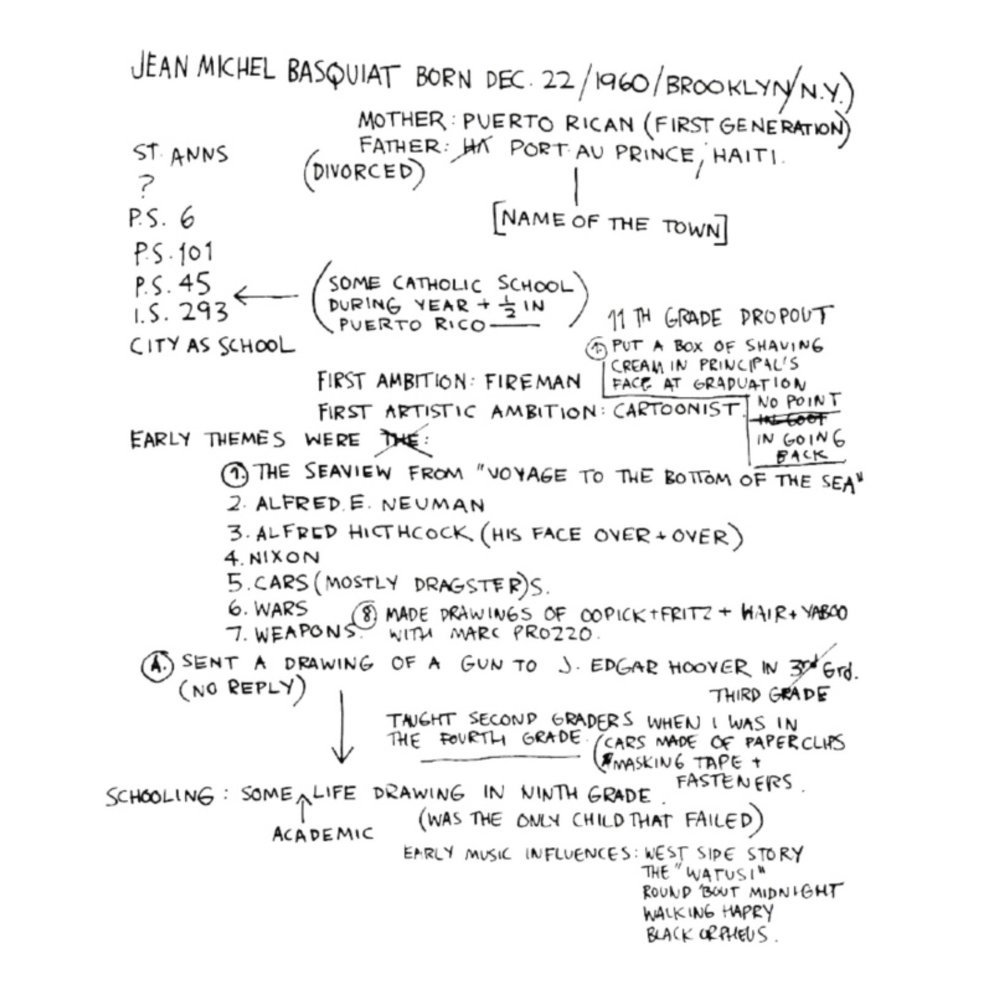
I write that domineering statements are the condition of possibility for the effectiveness of violent communication, and I write that convivial statements are the conditions of possibility for the effectiveness of nonviolent communication — but what do I mean by this?

Black Mythologies
I have been thinking a great deal about an essay by Jacques Derrida titled “White Mythology: Metaphor in the Text of Philosophy”. In this essay, Derrida speaks of a coin so old that the images stamped on its heads and tails have worn away. This coin still has some currency, but its provenance is uncertain and, as a result, its value is considered increasingly suspect by those who give it and take it in turns. Derrida holds that philosophical concepts that do not bear any mark of their cultural provenance or any mark of the facticity of their issuers are similar to such coins: such concepts may have currency but their value is suspect.

Greg Saunier
I’ve learned far more about time by enjoying Deerhoof’s live shows than I’ve learned by reading philosophers like Henri Bergson, Martin Heidegger, Gilles Deleuze, and Bernard Stiegler.

For bell hooks
The recent passing of bell hooks has inspired me to reconsider the clinical expression that she often used to name the deathly world of suffering that prevails over us, “imperialist white-supremacist capitalist patriarchy”.

Multiplying Confluences
Rather than working to prevent the formation of powers, counterpowers work to prevent the stabilization of power formations.
Blackness and Primitiveness
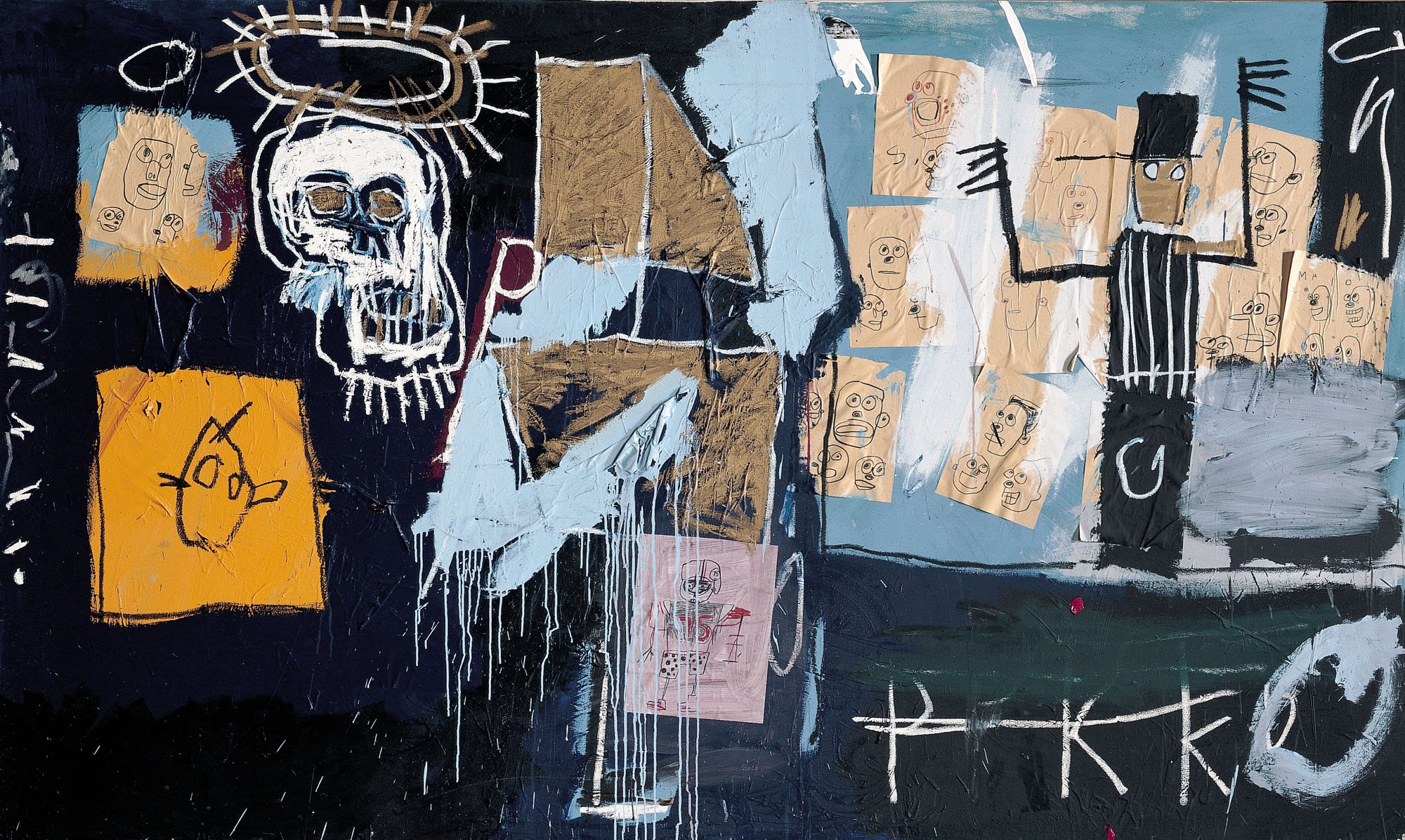
The black radical tradition is not the tradition of a crisply defined set of peoples that can be said to fall under the designation “Black”. Rather, the black radical tradition is the tradition of a blur of peoples, a fuzzy and indeterminate set, perpetually engaged in the process of troubling the designation “Black” that has been imposed upon them and staying with the trouble. This is to say, in other words, that the black radical tradition is a counter-cultural tradition: it is a tradition dedicated to countering the imposing power formations of dominant cultures.
Freeing Time
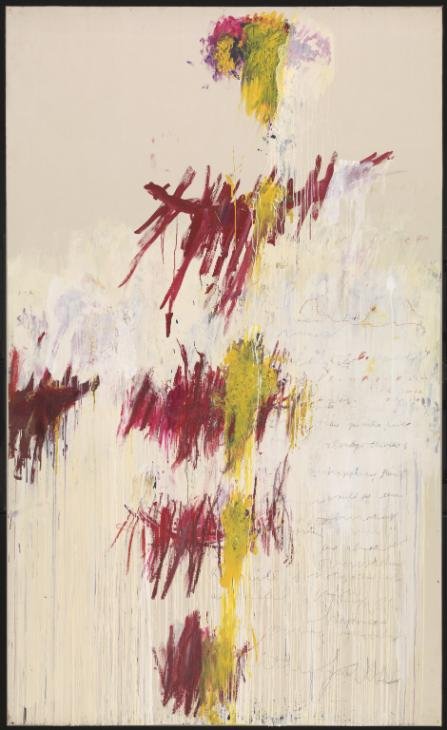
All powers first establish themselves over us by determining the rhythm and tempo of our lives. This is to say, in other words, that power can only rule, discipline, normalize, and optimize our lives if it succeeds in ruling, disciplining, normalizing, and optimizing the rhythm and tempo of our lives.
It follows from this that countering the powers that determine the rhythm and tempo of our lives is decisive to countering any and all powers.

Countering Power
The “living worlds“ that I have envisioned must not to be made by seeking power but, rather, they must be made by countering power.
But what is power and how is it countered? And how do those processes “pivotal” to the making of living worlds contribute to countering power?
Pivotal Processes
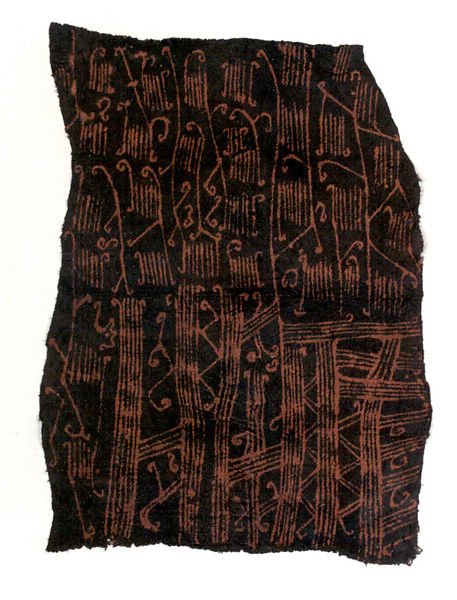
The previous dispatch examined the fifteen processes (or “structure preserving transformations”) that the architect Christopher Alexander found to be pivotal to the deconstruction of deathly worlds and the (re-)construction of living worlds.
In considering the specific kinds of living worlds that I would (re-)construct, I have found that, while all fifteen of these processes have their place in my worlds, some are more pivotal to my worlds than others. The most pivotal processes to my worlds are the processes of (i) NOT-SEPARATENESS, (ii) DEEP INTERLOCK AND AMBIGUITY, (iii) ROUGHNESS, and (iv) SIMPLICITY AND INNER CALM.
Living Worlds
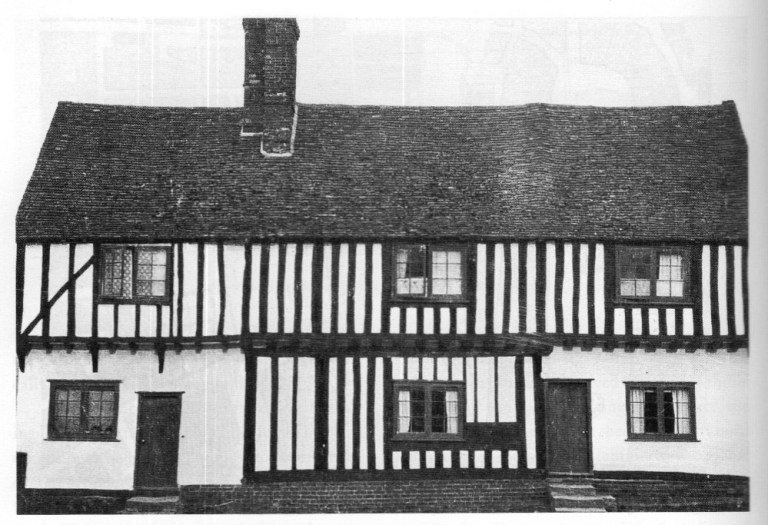
A living world respects the unity of life and its sufferings and it maintains and multiplies the wholeness of life.
A deathly world dismembers and dissects life and its sufferings and it maintains and multiplies the parts that it plucks from life, without respect for the wholeness of life.
The architect Christopher Alexander has proposed that the fundamental characteristic of a living world is that it is composed of “strong centers” or, to use an alternative term much more to my liking, Alexander has proposed that a living world is composed of “strong foci”. These strong foci are themselves, in turn, composed by and through processes that Alexander calls “structure preserving transformations”, of which Alexander finds there are fifteen.

Beyond Disciplines
Many, if not most, inter-disciplinary and trans-disciplinary projects take the existence of so many organs without bodies for granted and try to construct “complex systems” from these various separate organs. These projects do not recognize that the organs they take for granted were parted from bodies that preceded and exceeded them. These projects do not recognize that these bodies may survive and suffer the organs that have been parted from them. Ay, and these projects do not recognize that these surviving and suffering bodies deserve far greater attention than the organs that have been parted from them.
World-Making
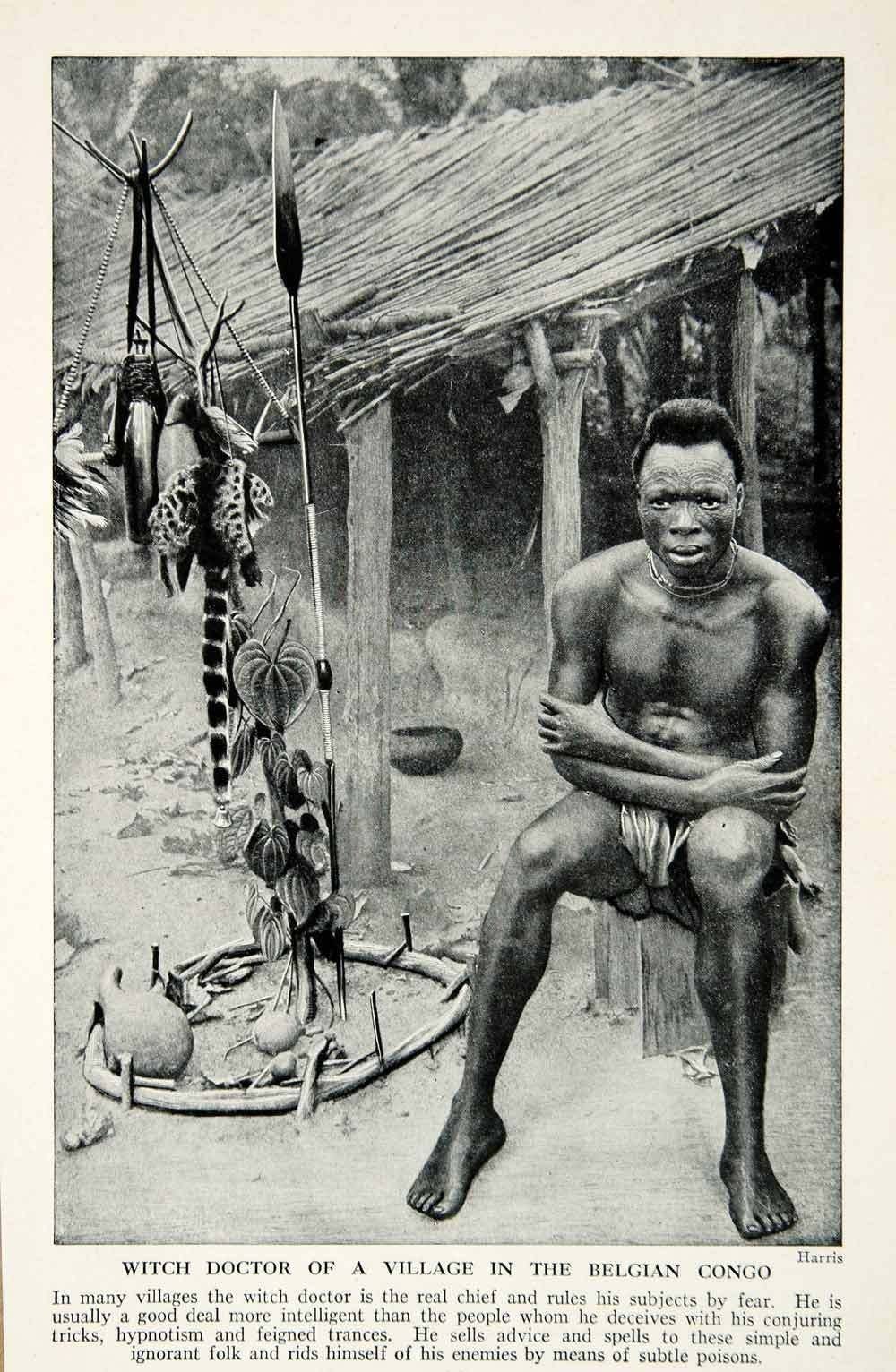
The artist makes sensations in a given world. The philosopher makes conceptions of a given world. The scientist makes predictions about a given world.
But neither the artist, nor the philosopher, nor the scientist can be said to make a world — for the making of a world precedes, exceeds, and succeeds the making of sensations, conceptions, and predictions.
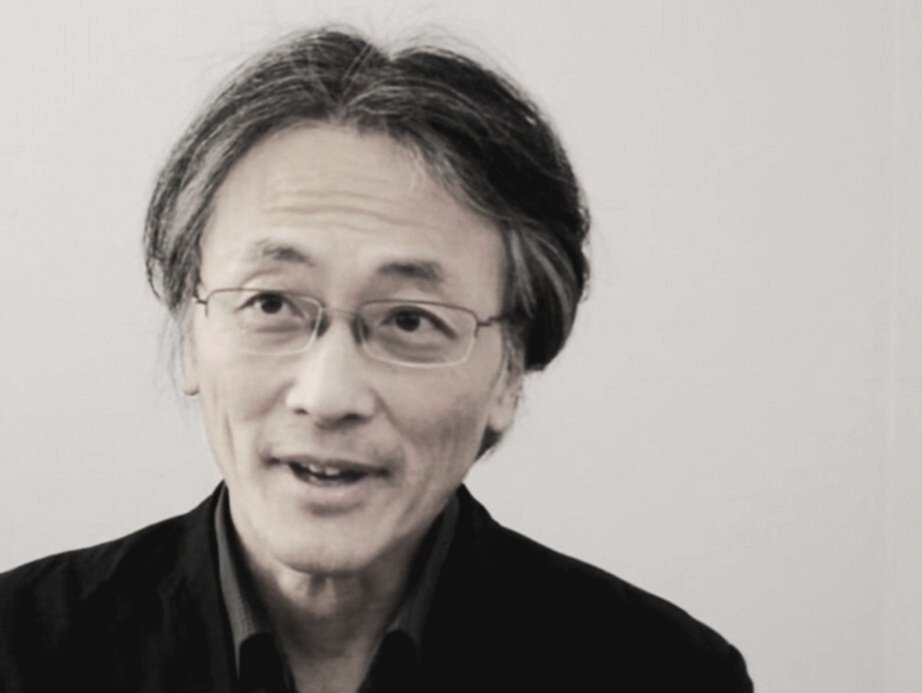
Sha Xin Wei
This week’s dispatch features an interview with Sha Xin Wei.
Taking a great deal of inspiration from the everyday practices that have sustained and nurtured experimental theatre troupes, Xin Wei’s work is about more than doing art, philosophy, and science; it is also about making worlds that condition different ways of doing art, philosophy, and science.

Overturning Humanism
Having found that humanism serves as an apology for white supremacy, capitalism, and colonialism, I constructed the framework of “neoprimitivism” as an antidote to humanism.
Decolonization
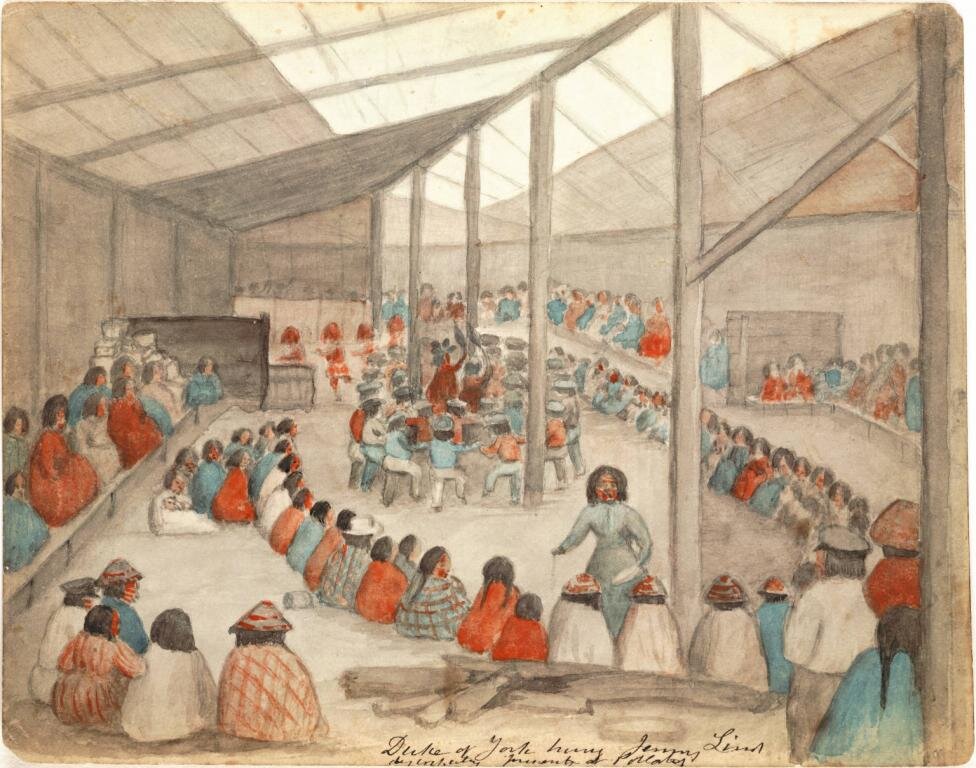
I would like to explore the hypotheses that (i) decolonization as antidote to a nationalist imperialism means promoting bioregionalisms, (ii) decolonization as an antidote to a capitalist imperialism means promoting communisms, and (iii) decolonization as an antidote to a careerist imperialism means promoting dilettantisms.
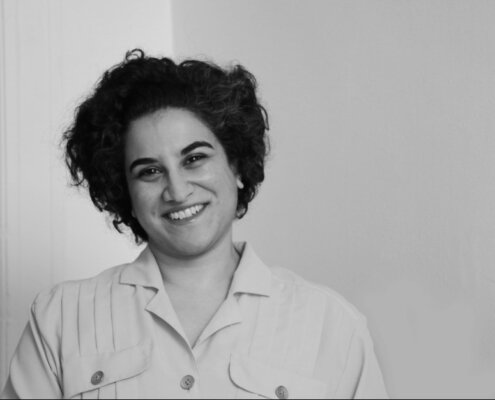
Nadia Chaney
An interview with Nadia Chaney about the Time Zone Research Lab, an experiment in the art of “learning without grasping” that is “radical in its approach but gentle in its application.”

Abolition
The industrialized world, as I have come to regard it, is a world constructed on the hypothesis that machines can replace slaves or, rather more precisely, that new machine slaves could be gradually made to replace the human slaves of old, and that a “temporary” and “voluntary” sort of human slavery, wage slavery, may suffice in the interim between the old human driven order and the new machine driven order.

Radical Everydayness
My favorite Sherlock Holmes story by Sir Arthur Conan Doyle has long been “A Case of Identity”, published as the third story in The Adventures of Sherlock Holmes in 1892. Curious as it may seem, the titular case of identity upon which the story turns is not what makes it my favorite Sherlock Holmes story. Rather, what makes the story my favorite is the brief philosophical dialogue between Holmes and Watson that frames the titular case. This extremely brief philosophical dialogue is, in my humble opinion, one of the most profound philosophical dialogues ever written.